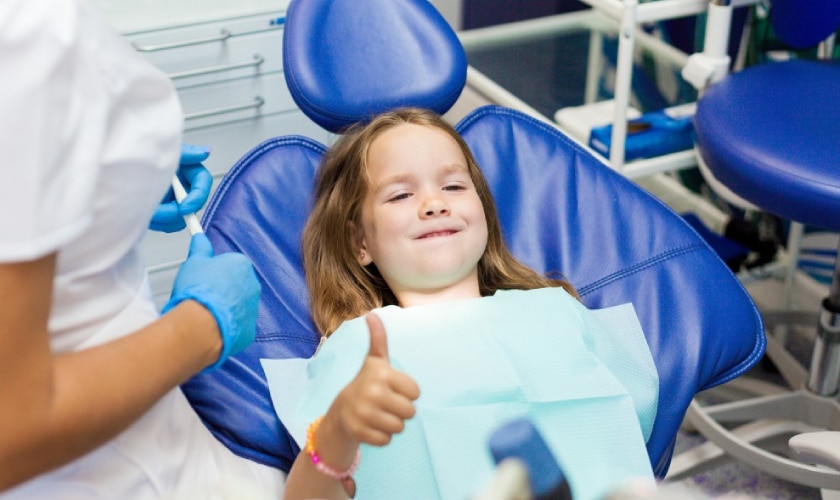
Dental anxiety is more common than most people admit. Some patients feel mild nervousness before appointments that fades once they’re in the chair. Others feel a level of dread significant enough that they cancel appointments, delay treatment for months or years, and end up dealing with problems that became far more complicated because they couldn’t bring themselves to come in.
A sensitive gag reflex sits in similar territory. It’s not anxiety exactly, but it creates a physical barrier to receiving dental care that feels just as limiting. Patients with a pronounced gag reflex often find routine procedures difficult, and some find that the anticipation of gagging creates its own layer of anxiety around appointments.
Sedation dentistry addresses both of these situations. Here’s what it actually involves and who it tends to work well for.
What Dental Anxiety Actually Looks Like
Dental anxiety exists on a spectrum. At one end is the mild discomfort that most people experience and manage without difficulty. Further along is a more significant apprehension that makes booking appointments hard and sitting in the chair harder. At the far end is dental phobia, where fear of dental treatment becomes severe enough to cause avoidance regardless of the dental consequences.
The reasons behind dental anxiety vary considerably. Some patients have had painful or difficult experiences in the past that inform their current response. Others have generalized anxiety that intensifies in medical settings. Some feel claustrophobic in the dental chair, or feel a loss of control when they can’t see what’s happening. Others are specifically anxious about needles, sounds, or the sensation of dental instruments.
Understanding which aspect of the experience is most difficult helps determine which approach to sedation is most appropriate.
What Conscious Sedation Involves
At North Shore Dental Center in Peabody, conscious sedation is used to reduce dental anxiety and allow treatment to be completed comfortably. Conscious sedation is a medically managed state in which the central nervous system is depressed enough to significantly reduce anxiety and physical response, while the patient remains awake and able to respond to verbal communication throughout the procedure.
This is an important distinction. Conscious sedation is not general anesthesia. Patients are not unconscious; they do not require assistance maintaining their airway, and cardiovascular function remains normal. The level of sedation is carefully calibrated so that the patient is relaxed and cooperative without being fully unaware.
Before sedation is administered, Dr. Elias conducts a pre-sedation evaluation that includes a review of the patient’s medical history, current medications, and any contraindications. This assessment is required before sedation can be used safely and helps determine which sedation method is appropriate for each patient.
How Sedation Helps With the Gag Reflex
The gag reflex is a protective physiological response triggered by contact with the back of the throat, tongue, or roof of the mouth. In most people, it operates in the background without much interference. In some patients, it’s significantly more sensitive, and dental instruments, impressions, X-ray sensors, or even the dentist’s hands near the back of the mouth can trigger it.
This creates real practical problems. Impressions, certain X-rays, and work on back teeth become difficult or impossible to complete when gagging is a consistent issue. Some patients feel embarrassed by the response, which adds a layer of anxiety on top of the physical reaction.
Sedation reduces the sensitivity of the gag reflex by depressing the central nervous system. A patient who is in a relaxed, sedated state typically has a significantly reduced gag response compared to their alert baseline. This allows procedures that would otherwise be interrupted repeatedly to be completed in a single, manageable appointment.
For patients whose gag reflex has historically made dental care difficult, sedation isn’t just about comfort. It’s about making care possible at all.
Who Tends to Benefit From Sedation Dentistry
Sedation dentistry is worth considering for patients who:
- Experience significant anxiety that makes booking or keeping appointments difficult
- Have a pronounced gag reflex that interferes with routine care
- Need a more extensive amount of treatment and would benefit from completing multiple procedures in fewer appointments
- Have had traumatic dental experiences in the past that influence their current response
- Have physical conditions, such as a strong jaw clenching reflex or difficulty sitting still for extended periods, that make treatment harder
It’s not appropriate for every patient. Certain medical conditions, medications, or health factors may affect whether sedation is safe for a given individual. That’s why the pre-sedation evaluation is a required part of the process, not an optional step.
Sedation and Routine Care
One of the more practical aspects of sedation dentistry is that it allows patients who have been avoiding the dentist to catch up on care that has been deferred. A patient who hasn’t had a cleaning and examination in several years because of anxiety can often have a more comprehensive visit under sedation, addressing multiple concerns in the same appointment rather than requiring repeated visits that each feel like a hurdle to get over.
At North Shore Dental Center, the team takes dental anxiety seriously and communicates clearly with patients about what each procedure involves before beginning. For many patients, that transparency alone reduces anxiety significantly. For patients who need more than clear communication, sedation is available as an option and is discussed during the initial appointment.
Routine cleanings and exams and more involved restorative procedures like root canals and crowns can all be completed with sedation when clinically appropriate.
North Shore Dental Center | Dentist in Peabody, MA
Dental anxiety shouldn’t determine what care you’re able to get. North Shore Dental Center is at 6 Essex Center Dr STE 302, Peabody, MA 01960. Dr. Elias and her team see patients Monday through Thursday, 8:00 AM to 5:00 PM. Call 978-532-0088 to ask about sedation Dentistry in Peabody or to book an appointment.